






The luxury bathroom design landscape has shifted decisively in 2026. The cool grey minimalism that dominated the previous decade has given way to a warmer, more textural aesthetic — one that treats the marble bathtub not as a functional fixture, but as the architectural centerpiece of a room. Three macro trends are driving this shift: the move toward warm-toned stone, the rise of sculptural and organic forms, and the reframing of the bathtub itself from standard commodity to considered wellness statement.
For designers specifying stone bathtubs, procurement teams sourcing for hospitality projects, and developers targeting premium residential buyers, understanding these trend directions is essential to making stone specifications that will remain design-relevant for the 5–15 year lifespan of the installation.
The Macro Shift: From Cool Grey to Warm Luxury
For nearly ten years, the prevailing aesthetic in high-end bathrooms defaulted to cool white marble with grey veining — Calacatta Bianco, Statuario, and Carrara White were the near-universal specification choices. In 2026, this aesthetic has reached saturation point. The world's leading designers and hospitality brands are moving away from what one design publication describes as the shift from "Cool Grey" to "The Golden Hour" — a preference for natural stones that feel warm, inviting, and grounded rather than clinical and aspirational.
The shift is quantifiable. Warm-toned bathroom features now appear 22% more frequently in premium property listings, and mentions of wellness-oriented features in bathrooms have risen 33% year-on-year. The marble bathtub sits at the precise intersection of these two trends: it is simultaneously a material luxury and a wellness proposition.
Trend 1: Warm-Toned Marble — The Dominant Material Direction
The most significant specification shift in 2026 is the ascendancy of gold, amber, beige, and caramel-toned marble varieties. These stones share a warm, earthy quality that aligns with the broader "quiet luxury" aesthetic direction — interior spaces that communicate refinement through material quality rather than decorative excess.
Key Warm-Toned Marble Varieties for Bathtubs
Calacatta Amber / Calacatta Gold The definitive warm marble of 2026. A white base with dramatic gold and amber veining, Calacatta Amber delivers the visual impact of traditional Calacatta but with a warmer, more inviting quality. Increasingly specified for freestanding bathtubs in villa master bathrooms and luxury hotel suites. The gold veining catches light differently throughout the day, giving the tub surface a quality that flat-color acrylic or composite alternatives cannot replicate.
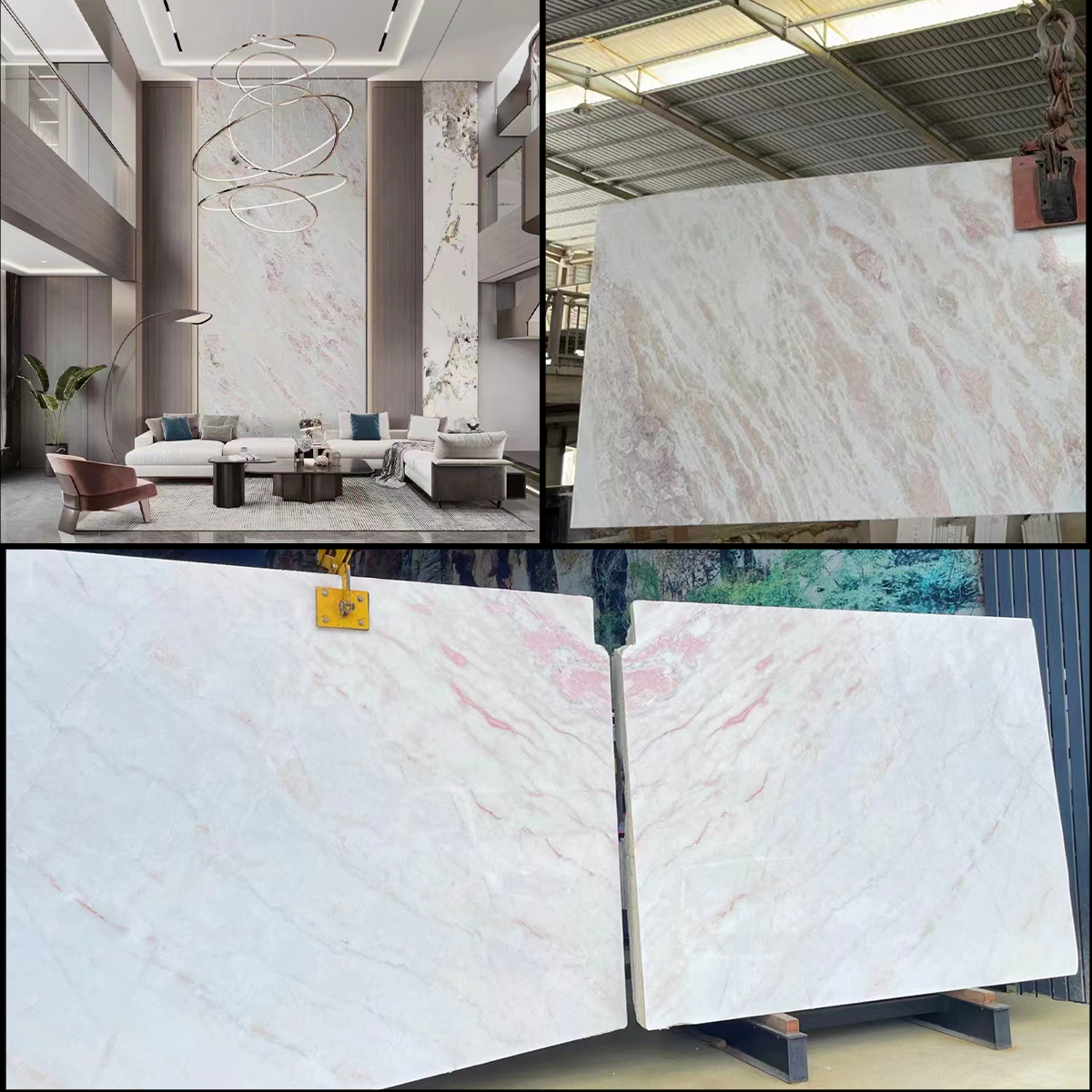
Calacatta Viola One of the most notable emergent marble trends of 2025-2026. A creamy white background with dramatic burgundy and purple veining — described by stone industry commentators as resembling "ice sheets floating on a deep red sea." Calacatta Viola brings warmth and character back into stone specification in a way that the grey-on-white classics cannot. Particularly effective as a bathtub statement piece against neutral walls.
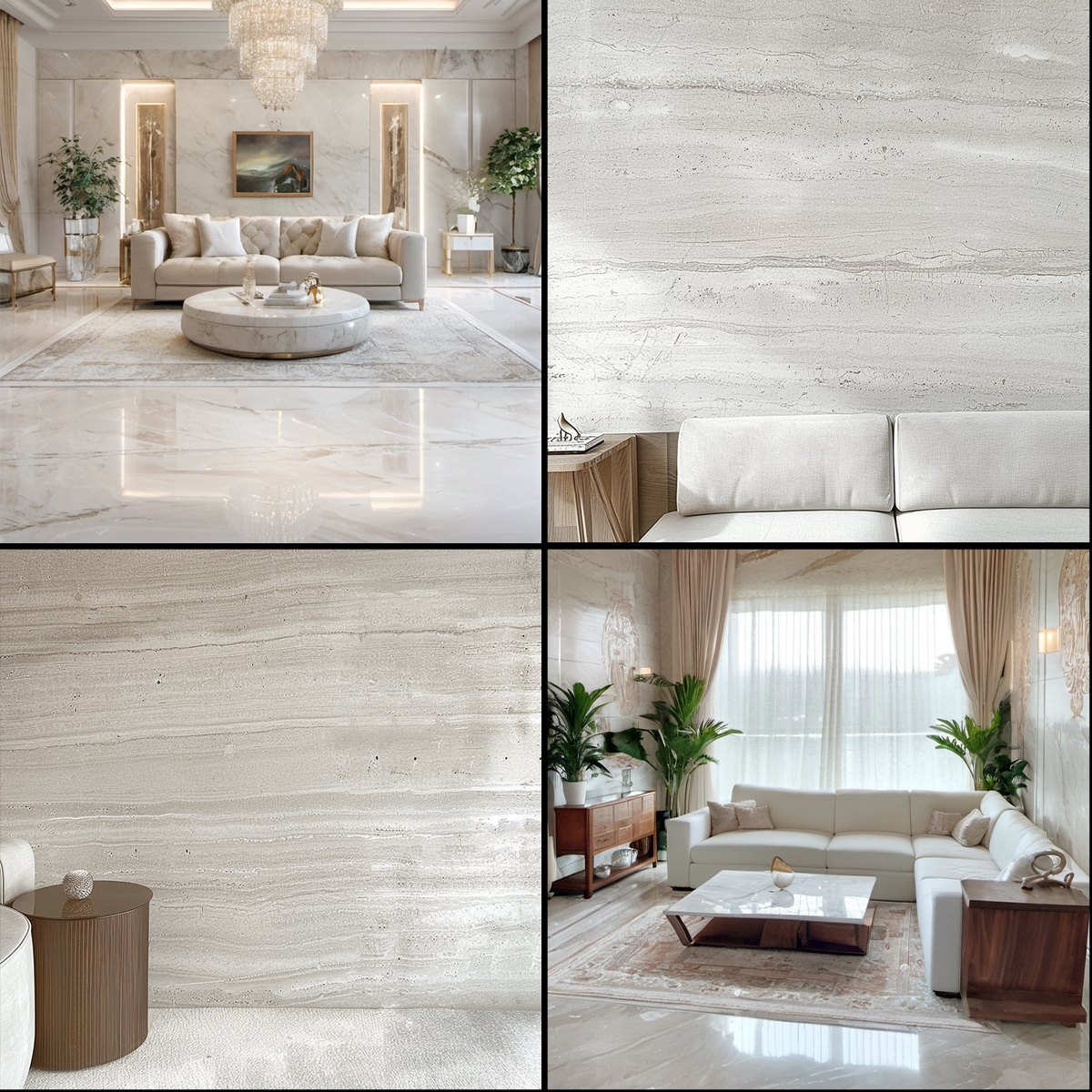
Crema Marfil A perennial warm marble that has returned to prominence in the current cycle. Warm beige background with minimal, subtle veining creates an understated, enveloping warmth suitable for "stone drenching" applications (using the same stone for floor, walls, and bathtub). Long-favored in Middle Eastern and Mediterranean hospitality design; increasingly specified in European and North American premium residential.
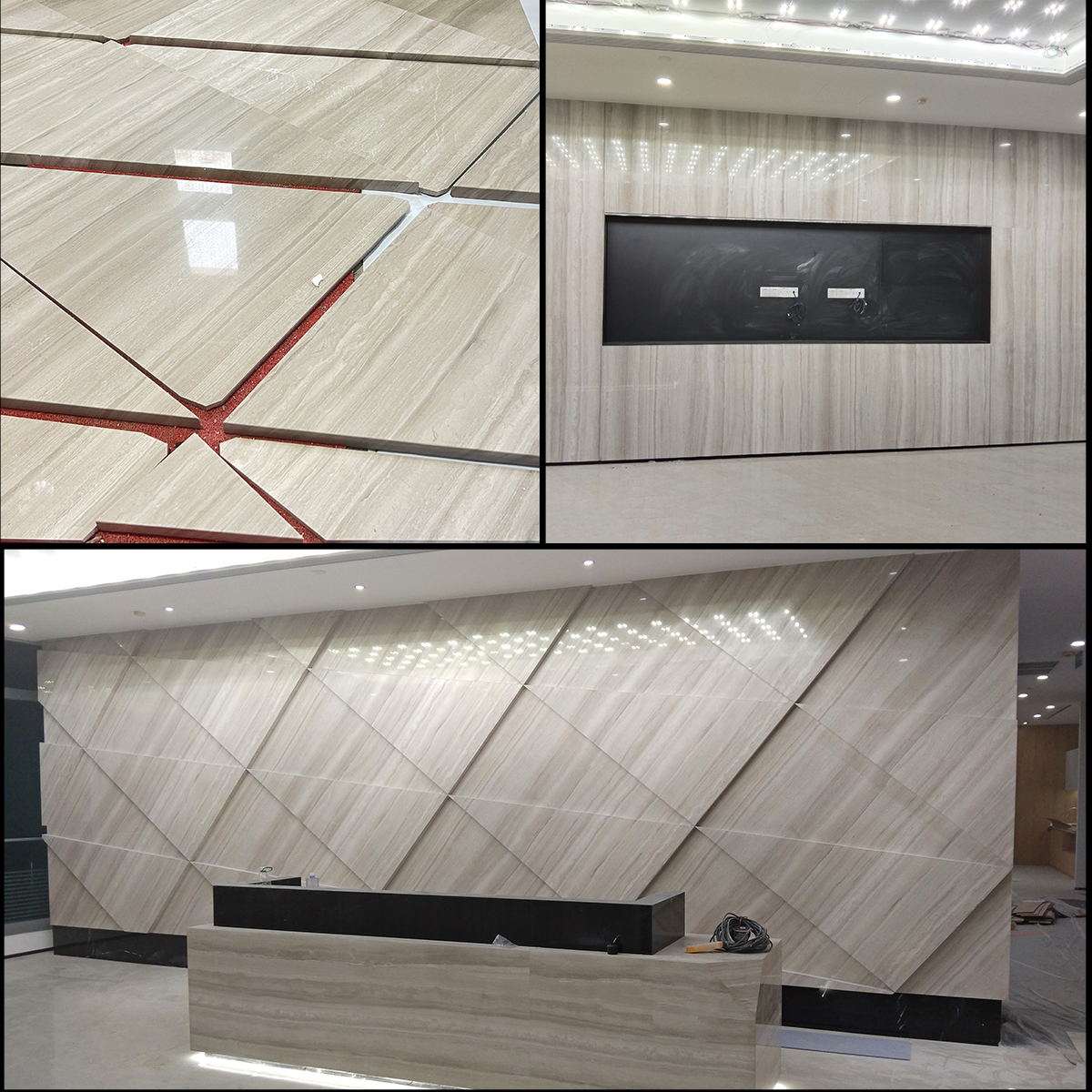
Travertine (Walnut, Noce, Silver) Travertine's warm, earthy aesthetic — previously associated with dated 1990s bathroom design — has been fully rehabilitated in 2026's biophilic and "warm organic" design direction. Warm-toned travertine varieties (Walnut Travertine, Noce Travertine) are being specified for statement freestanding tubs in wellness retreats and boutique hotels precisely because of their organic, imperfect character. Each filled void and natural variation becomes a feature rather than a flaw.
Chinese Ariston White / Volakas White For projects requiring warm-white marble at commercial scale — resort villa clusters, serviced apartment developments — Chinese-origin warm whites provide the aesthetic alignment with 2026 trend direction at a logistics and cost profile that Italian-origin warm stone cannot match. Volakas in particular delivers a warmly off-white background with soft grey and gold undertones suited to the current aesthetic.
Trend 2: Sculptural and Organic Forms — The End of the Rectangle
The second major design trend reshaping marble bathtub specification is the move away from rectangular and standardized oval forms toward sculptural, organic silhouettes.
Why Sculptural Forms Are Dominant
The freestanding bathtub has evolved from a functional object with design consideration into a design object with functional purpose. In 2026's leading bathroom design direction — influenced by the "quiet luxury" and "organic minimalism" aesthetics — the bathtub's form carries as much design weight as its material. The bathtub is now routinely treated as a piece of sculptural furniture, positioned in the bathroom as a room's focal point and photographed as the hero image in architectural photography.
This shift has practical implications for stone procurement: organic and sculptural forms require more skilled fabrication, more raw material (greater carving waste), and more careful structural engineering for unusual weight distributions. Buyers specifying these forms should factor in lead time and price premiums of 20–50% over standard catalogue designs.
The Key Sculptural Forms of 2026
Boat-Shape (Naval Form) A gently curved hull silhouette — wide in the center, tapering at both ends — that sits low to the floor with a continuous curved profile. The boat-shape eliminates the visual "corners" of traditional rectangular tubs and creates a softer, more organic presence in the bathroom. Currently among the most-specified forms in new 5-star hotel suite design.
Deep Vessel / Soaking Bowl Inspired by Japanese ofuro soaking culture, the deep vessel form prioritizes immersion depth (interior depth typically 55–70 cm) over length. The exterior presents as a simple, rounded form with minimal visual complexity — allowing the stone's natural character to dominate. The deep vessel trend is closely linked to the wellness bathroom movement, positioning the bathtub as a contemplative soaking ritual rather than a quick functional wash.
Asymmetric Slipper The slipper bathtub — one raised end for the bather to recline against — has been reinterpreted in 2026 with more exaggerated asymmetry and softer organic curves. Natural stone slipper tubs are particularly effective in warm-toned marble, where the raised end allows a larger surface of veined stone to be visible as a visual focal point.
Pillar / Pedestal Base Some of the most visually striking marble bathtub designs of 2026 use a distinct sculptural base or pedestal element — carved from the same stone block as the tub body — that elevates the piece to furniture-like status. The pedestal form echoes classical stone sculpture and positions the bathtub as a design artifact.
Organic Free-Form The most premium specification category: entirely bespoke forms that eschew symmetry and standard proportions entirely, carved to reference specific organic shapes (pebble, pod, shell). These are hand-carved commissions requiring artisan workshop time and bespoke structural engineering. Primarily specified for presidential suite, flagship villa, or architectural installation contexts.
Trend 3: Finish Direction — Honed, Brushed, and Leathered Over Polished
The surface finish trend in 2026 has moved decisively away from high-polish mirror finishes toward tactile, matte, and textured surfaces. This shift is both aesthetic and practical.
Honed finish — a smooth matte surface without the mirror reflectivity of polished stone — is now the dominant specification for marble bathtubs in premium hospitality design. Honed marble has a softer, more intimate quality that resonates with the wellness and "quiet luxury" aesthetic. Practically, it also shows etch marks less visibly than polished marble, reducing maintenance demands in high-use hotel environments.
Brushed finish — a slightly textured surface created by brushing the stone with an abrasive tool — adds tactile dimension and gives the stone a more raw, organic character. Brushed warm marble is particularly effective in wellness retreat and biophilic design contexts.
Leathered finish — a more deeply textured surface that retains the stone's natural pitting and undulation while removing the high shine — is increasingly specified for exterior surfaces of bathtubs (keeping the interior honed for comfort). The contrast between a leathered exterior and a smooth honed interior creates a material narrative that resonates with the premium craftsmanship aesthetic of 2026 luxury design.
The practical recommendation for 2026 specifications: honed interior as standard across all bathtub types; finish selection for the exterior as a design decision based on aesthetic context.
Trend 4: Stone Drenching — The Immersive Bathroom
"Stone drenching" — using the same marble for floor, walls, shower, and bathtub — has emerged as one of 2026's defining bathroom design gestures. Rather than using stone as an accent material within a mixed-material bathroom, stone drenching creates a fully immersive environment where the stone's color and veining pattern envelops the entire room.
When executed with warm-toned marble (Crema Marfil, travertine, Calacatta Amber), stone drenching creates what one design commentator describes as a "boutique hotel vibe" — a seamless, sanctuary-like environment that is difficult to achieve with any other material combination. The technique works particularly effectively in rooms with natural light, where the warm stone tones shift throughout the day.
For bathtub specification within a stone-drenched design, batch-matching becomes critical: the bathtub marble should be sourced from the same quarry family as the floor and wall cladding to ensure consistent background tone and veining character. This is one of the most technically demanding requirements in luxury stone procurement and requires direct factory engagement to coordinate material sourcing across the full room specification.
Trend 5: Hardware Pairing — Brass and Brushed Gold Dominate
A marble bathtub's hardware selection is inseparable from its visual success in 2026's design aesthetic. The shift to warm-toned marble has displaced the chrome and brushed nickel hardware that paired with cool grey stone, replacing it with:
Brushed gold / satin brass — the dominant hardware finish of 2026 for warm marble pairings. The gold undertone resonates directly with the amber and gold veining of warm-toned marble varieties, creating a harmonious material relationship.
Unlacquered brass — the most artisanal hardware choice, developing a natural patina over time that deepens the warm material character of the overall design. Preferred in boutique hotel and wellness retreat contexts.
Matte black — the contrasting option: black hardware against warm white marble creates a graphic tension that reads as contemporary and design-forward. Specified in "organic modern" and minimalist-warm design directions.
Chrome and brushed nickel — the default hardware of the cool grey decade — now read as incongruous against warm marble. Designers specifying warm stone bathtubs in 2026 universally move to warm-metal hardware.
Trend 6: The Bathtub as Wellness Statement
The broader context for all of the above trends is the repositioning of the bathtub as a wellness object rather than a bathroom fixture. According to Zillow's 2026 Home Trends Report, spa-inspired bathrooms appear 22% more frequently in premium property listings, and wellness features are mentioned 33% more often year-on-year. This data confirms that buyers and guests are actively prioritizing bathing as a wellness ritual — and that the quality of the bathtub is a primary decision factor in this choice.
Natural stone bathtubs, with their heat retention properties, material authenticity, and sculptural presence, are precisely positioned to fulfill this wellness specification. The argument for stone over acrylic or composite is no longer purely aesthetic — it is a material quality argument that directly connects to the wellness positioning that premium buyers are willing to pay for.
2026 Marble Bathtub Specification Guide by Design Direction
| Design Direction | Recommended Stone | Form | Finish | Hardware |
|---|---|---|---|---|
| Quiet Luxury / Timeless | Calacatta Gold or Calacatta Amber | Oval freestanding | Honed | Brushed gold |
| Warm Organic / Biophilic | Travertine (Walnut or Noce) | Deep vessel or boat-shape | Brushed or leathered | Unlacquered brass |
| Bold Statement / Art-Led | Calacatta Viola or Nero Marquina | Sculptural asymmetric | Polished interior, leathered exterior | Matte black |
| Mediterranean / Classic | Crema Marfil or Botticino | Standard freestanding oval | Honed | Brushed gold |
| Minimalist Warm | Chinese Ariston White or Volakas | Clean rectangular or oval | Honed | Satin brass |
| Spa / Wellness Retreat | Warm travertine or light beige marble | Deep soaking vessel | Brushed | Unlacquered brass |
| Contemporary Hotel | Granite (Black or Bianco) | Boat-shape or rectangular | Honed | Matte black or brushed chrome |
What These Trends Mean for Stone Procurement in 2026
The design direction of 2026 has three concrete implications for marble bathtub procurement:
Warm-toned marble varieties are under supply pressure. Demand for Calacatta Amber, warm travertine, and Calacatta Viola has increased significantly. Lead times for rare-variety stone are extending. Projects specifying premium warm marble should initiate material sourcing 4–6 weeks earlier than standard procurement timelines to ensure batch availability.
Sculptural and custom forms require factory-level engagement. Standard B2B marketplace ordering is unsuitable for sculptural and organic-form bathtubs. These products require direct factory engagement to review workshop capability, discuss fabrication approach, and approve pre-production samples. A trading company layer in the supply chain is a liability for custom form procurement.
Finish specification is shifting. Factories sourcing for the previous decade's polished-finish dominant market may have less tooling and experience with honed, brushed, and leathered finishes at quality. Buyers should request finish samples and confirm workshop capability for their specified finish before placing multi-unit orders.
About FutureStone Group
FutureStone Group supplies warm-toned marble bathtubs, travertine soaking tubs, and custom sculptural stone bath forms to hospitality and residential projects worldwide. With direct quarry sourcing from Yunfu and Fujian, the company offers batch-matching across floor, wall, and bathtub specifications for stone-drenching projects. Full OEM/ODM capability supports bespoke form fabrication from buyer-supplied drawings or design references.